Reflective altruism
I’m a philosopher at Vanderbilt University (views my own). The purpose of this blog is to use academic research to drive positive change within and around the effective altruism movement. Discussions are long-form and structured around thematic series. Subscribe below for biweekly posts.
Home | Start Here | About Me | Navigation | Comment Policy | Stay in Touch
-

The good it promises, the harm it does (Part 2: Simone de Lima)
I look at Simone de Lima’s essay “Effective altruism’s unsuspecting 21st century colonialism” to draw out lessons for the importance of learning from local history, knowledge and context, the dangers of quantification, and the pitfalls of top-down international governance by former colonial powers.
-
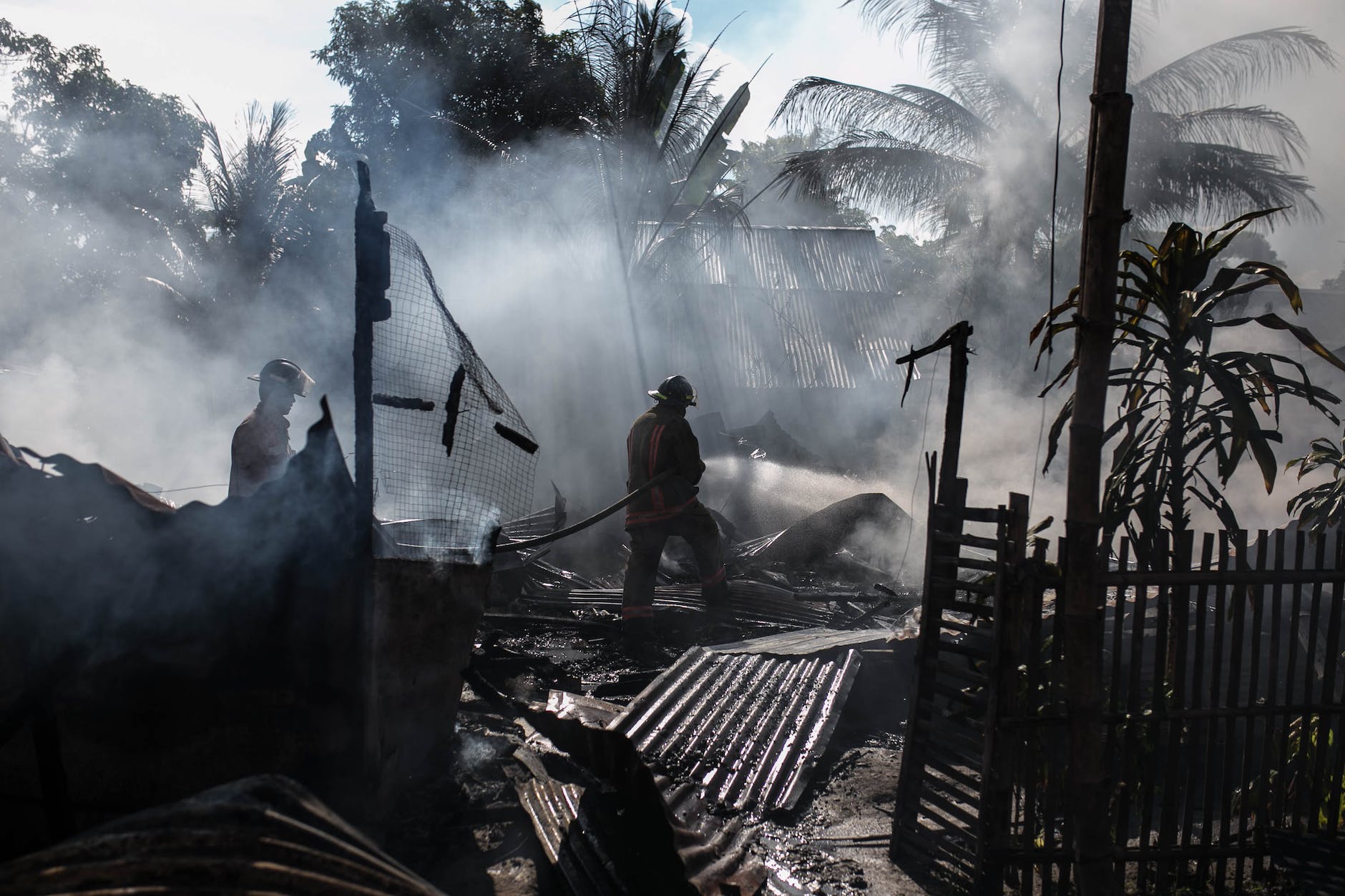
Exaggerating the risks (Part 5: Climate wrap-up)
In a last look at climate risk, I examine two final mechanisms by which climate change could lead to existential catastrophe: moist and runaway greenhouse effects, and interstate conflict. Then I draw lessons from the discussion of climate risk in Parts 2-5 of this series.
-

Existential risk pessimism and the time of perils (Part 8: Implications)
Suppose I’m right that there is an enduring tension between Existential Risk Pessimism and the Time of Perils Hypothesis. What follows?
-

Belonging (Part 4: TIME’s up?)
A TIME magazine investigation alleges a “toxic culture of sexual harassment and abuse” within effective altruism. I look at the original article and the community’s subsequent reaction. Content warning: sexual harassment and abuse; racism; sexism.
-
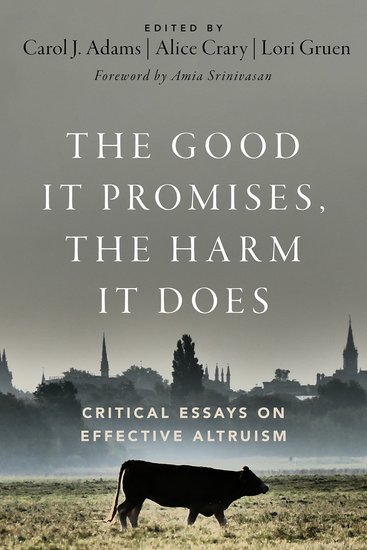
The good it promises, the harm it does (Part 1: Introduction)
A new collection of essays edited by Carol J Adams, Alice Crary, and Lori Gruen brings together activists and scholars from a wide range of perspectives to critically reflect on effective altruism.
-

Academics review What we owe the future (Part 3: Rini on demandingness, cluelessness and inscrutability)
Regina Rini’s review of What We Owe the Future raises questions about the demandingness of longtermism, cluelessness, and the inscrutability of existential risk.
-

Billionaire philanthropy (Part 3: Patient philanthropy)
Through patient philanthropy, effective altruists strive to create wealthy foundations that will accumulate an increasing fraction of societal assets over time. Patient philanthropy promises strong returns on investment, but also raises important challenges.
-
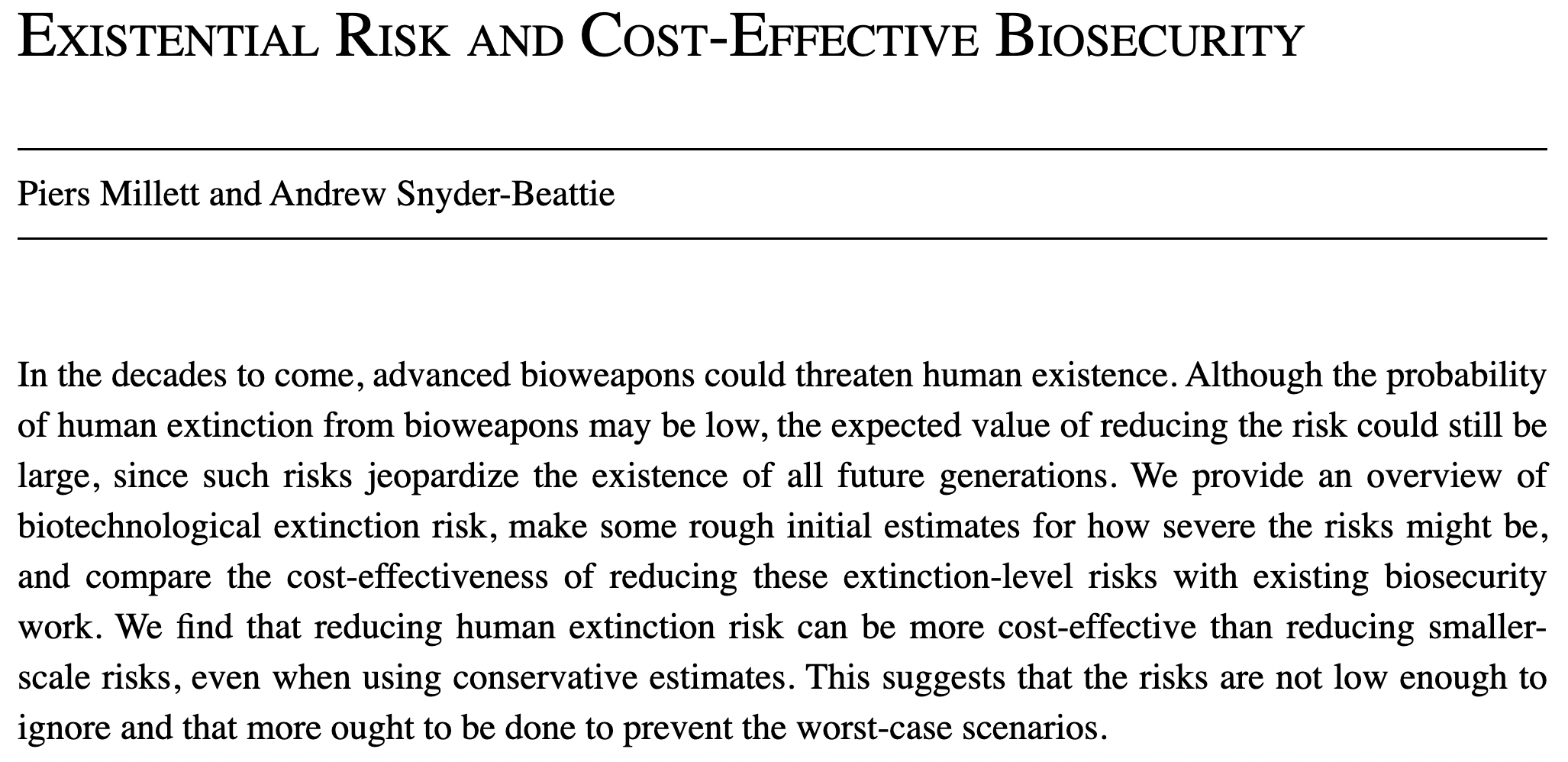
Existential risk pessimism and the time of perils (Part 7: An application)
I apply lessons learned about the value of existential risk mitigation to assess the cost-effectiveness of biosecurity. Leading cost-effectiveness estimates turn out to be overstated by several orders of magnitude because they do not appropriately model background risk.
-

Exaggerating the risks (Part 4: Halstead continued)
I continue to make the case that estimates of existential risk from climate change have been exaggerated, looking deeper into the Halstead report discussed in Part 3 of this series.
