Category: Exaggerating the risks
-

Exaggerating the risks (Part 13: Ord on Biorisk)
Toby Ord suggests that humanity faces a 3% risk of existential catastrophe from biological causes in the next 100 years. I review Ord’s arguments and argue that they are insufficient to ground this estimate.
-

Exaggerating the risks (Part 12: Millett and Snyder-Beattie on biorisk)
Can existing arguments by effective altruists ground high estimates of existential biorisk? I consider three estimates provided by Piers Millett and Andrew Snyder-Beattie.
-

Exaggerating the risks (Part 11: Biorisk: Still more grounds for doubt)
Rounding out the initial case for skepticism about existential biorisk, I give four final reasons to suspect that existential biorisk may be lower than many claim it to be.
-

Exaggerating the risks (Part 10: Biorisk: More grounds for doubt)
Continuing my treatment of existential biorisk, I give four further reasons to suspect that existential biorisk may be lower than many claim it to be.
-

Exaggerating the risks (Part 9: Biorisk – Grounds for doubt)
Effective altruists often argue that biological phenomena pose a significant near-term existential risk. In this post, I give some preliminary reasons to doubt that claim.
-

Exaggerating the risks (Part 8: Carlsmith wrap-up)
I take a final look at the Carlsmith report on risks from power-seeking artificial intelligence, focusing on AI timelines as well as the argument from practical PS-misalignment to disempowerment of humanity.
-

Exaggerating the risks (Part 7: Carlsmith on instrumental convergence)
I take a second look at the Carlsmith report on risks from power-seeking artificial intelligence, focusing on Carlsmith’s argument for instrumental convergence.
-

Exaggerating the risks (Part 6: Introducing the Carlsmith report)
Many effective altruists believe that artificial intelligence poses a significant existential risk in this century. Let’s look at how a recent report by Joe Carlsmith makes this point.
-
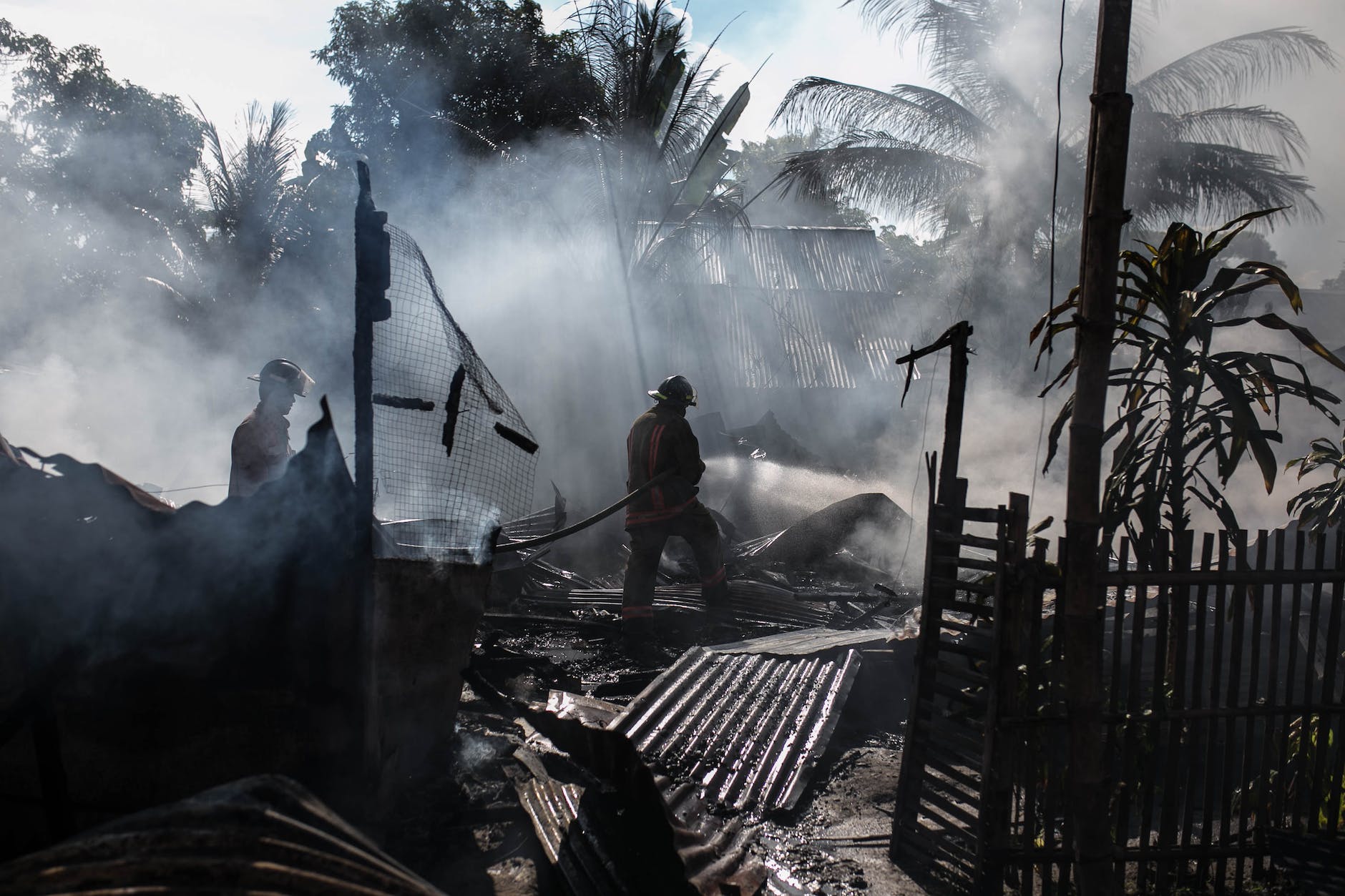
Exaggerating the risks (Part 5: Climate wrap-up)
In a last look at climate risk, I examine two final mechanisms by which climate change could lead to existential catastrophe: moist and runaway greenhouse effects, and interstate conflict. Then I draw lessons from the discussion of climate risk in Parts 2-5 of this series.